Introduction
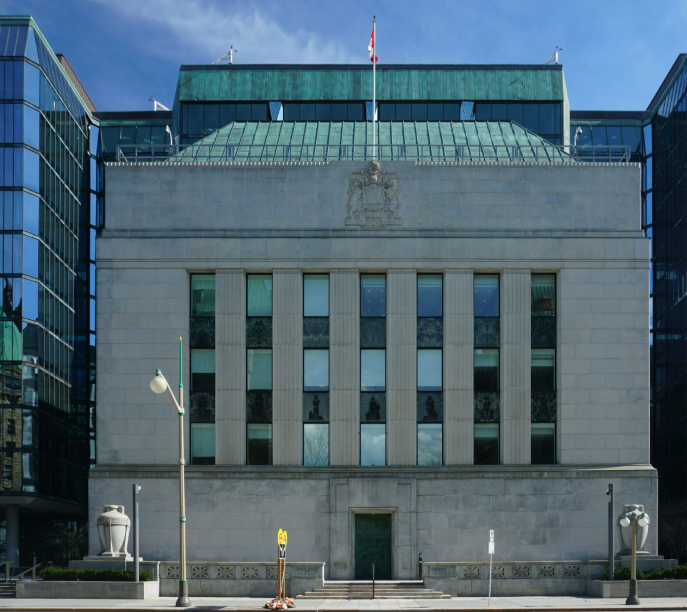
In its most recent interest rate announcement, the Bank of Canada chose to hold its key policy rate steady, signalling a continued pause in the aggressive tightening cycle that shaped the Canadian housing market over the past several years.
For consumers across Nova Scotia — including home buyers, sellers, and homeowners — this decision carries important implications.
While rates remain higher than the historically low levels seen prior to 2022, the decision to maintain the current rate environment introduces a new phase of market stability and predictability.
Understanding what this means can help consumers make more confident real estate decisions in 2026.
Why the Bank of Canada Held Rates
The central bank’s decision reflects a balancing act between controlling inflation and supporting economic stability.
Key factors influencing the rate hold include:
• Signs that inflation pressures are gradually easing
• Slowing economic momentum in certain sectors
• The desire to monitor how previous rate increases continue to impact consumers
• Ongoing uncertainty in global economic conditions
By holding rates steady, policymakers are signalling caution rather than urgency — an approach designed to avoid unnecessary disruption while maintaining control over long-term economic trends.
What This Means for Nova Scotia Home Buyers
For buyers, a rate hold can be interpreted as a sign that borrowing costs are stabilizing.
This can impact purchasing decisions in several ways:
• Greater confidence in budgeting and long-term planning
• Reduced fear of sudden mortgage payment increases
• Increased willingness to re-enter the market after waiting
• Improved ability to compare financing options strategically
In practical terms, buyers may feel more comfortable moving forward with homeownership decisions when interest rate volatility begins to subside.
This can gradually lead to renewed demand in local housing markets.
What This Means for Home Sellers
For sellers, a stable rate environment can influence both listing strategy and buyer behaviour.
Holding rates steady may result in:
• A more predictable pool of qualified buyers
• Gradual improvement in market activity
• Increased importance of pricing accurately
• Continued need for strong marketing and presentation
While the rapid bidding wars of previous years have moderated, well-positioned homes in desirable Nova Scotia communities can still perform strongly.
Stability often supports steady transaction flow rather than sudden market swings.
Market Psychology: Stability Encourages Participation
One of the most significant impacts of a rate hold is psychological.
Real estate markets are influenced not only by numbers — but by consumer confidence.
When rates rise quickly, uncertainty increases and many buyers pause their plans.
When rates stabilize, confidence slowly returns.
This shift can lead to:
• Increased property showings
• More active buyer inquiries
• Gradual upward pressure on prices in certain segments
• Renewed investor interest
In Nova Scotia, where market conditions are already relatively balanced, improved sentiment can translate into moderate market momentum.
The Broader Impact on the Nova Scotia Housing Market
Nova Scotia’s real estate market continues to be shaped by several overlapping factors:
• Interprovincial migration
• Limited housing supply in key areas
• Strong rental demand
• Infrastructure investment
• Lifestyle-driven relocation trends
A stable interest rate environment may allow these underlying drivers to influence pricing and activity more naturally without the distortion caused by rapid borrowing cost changes.
This can create healthier long-term market conditions.
What Consumers Should Do Now
Whether you are buying, selling, or simply monitoring the market, today’s environment calls for thoughtful strategy.
Consumers should consider:
• Reviewing mortgage pre-approvals regularly
• Evaluating affordability based on comfort rather than maximum borrowing limits
• Monitoring local market data rather than relying solely on national headlines
• Planning real estate decisions around long-term goals
• Seeking professional guidance tailored to Nova Scotia market dynamics
Stability in interest rates does not eliminate risk — but it can improve clarity.
Prepared consumers are better positioned to act when opportunities arise.
The Bottom Line
The Bank of Canada’s decision to hold interest rates steady marks an important transition phase for Canada’s housing market.
For Nova Scotia buyers and sellers, this pause introduces greater predictability and the potential for gradually improving market confidence.
While borrowing costs remain a key factor influencing affordability, a stable rate environment can help support more balanced and strategic real estate decisions throughout 2026.
Understanding these dynamics is essential for anyone considering entering the Nova Scotia market in the months a head.
1 luv,
Peter G w cgpt
References
Bank of Canada Monetary Policy Announcements
Canada Mortgage & Housing Corporation Housing Market Outlook
Nova Scotia Association of REALTORS® Market Statistics
#BankOfCanada #InterestRatesCanada #NovaScotiaRealEstate #HalifaxHousingMarket #MortgageRatesUpdate #LivingInNovaScotia #CanadianRealEstate #HomeBuying2026