Area Real Estate News & Market Trends

You’ll find our blog to be a wealth of information, covering everything from local market statistics and home values to community happenings. That’s because we care about the community and want to help you find your place in it. Please reach out if you have any questions at all. We’d love to talk with you!

April 11, 2026

Halifax Real Estate Market Update: More Listings, More Opportunity This Spring

Halifax Real Estate Market Update: More Listings, More Opportunity This Spring

Living in Nova Scotia | Weekly Market Update | April 2026

Spring is officially showing up in the Halifax and Nova Scotia real estate market — and this week’s numbers are telling an important story.

The market is not crashing, and it’s also not the frenzy we saw in previous peak periods.

Instead, what we are seeing is a healthier, more balanced market, with increased inventory, slightly softer sales volume, and stable pricing.

For buyers, this means more choices and a little more leverage.
For sellers, it means strategy matters more than ever.

Let’s break down what this means for you.


More Listings Are Hitting the Market

One of the biggest stories this week is inventory.

Across Nova Scotia, active residential listings reached 3,601 units at the end of March, which is up 1.3% year-over-year and the highest March inventory level in more than five years.

In Halifax–Dartmouth specifically, the market is sitting at approximately 3.7 months of inventory, which places us in what many would consider a balanced market environment.

That is a significant shift from the ultra-tight seller’s market conditions we experienced during the post-pandemic run.

What this means:

  • Buyers now have more homes to choose from
  • Less pressure to make rushed decisions
  • Slightly more room for negotiations
  • Conditional offers are becoming more common again

For many buyers, this is welcome news.


Sales Volume Has Softened

While listings are rising, sales have cooled slightly.

Year-to-date home sales across Nova Scotia are down approximately 9% compared to the same period last year.

In Halifax–Dartmouth, March sales were reported at 375 homes sold, down 10.7% year-over-year.

This does not necessarily indicate weakness.

Instead, it often reflects:

  • more cautious buyers
  • mortgage affordability pressure
  • buyers taking more time
  • seasonal transition into spring inventory

This is much more of a normal market pace.


Prices Are Holding Firm

Despite softer sales, pricing has remained remarkably resilient.

The Halifax–Dartmouth median sale price for March 2026 was $565,000, down just 1.7% year-over-year, while still up significantly over the last two years.

Average sold prices in Halifax for recent monthly data are still hovering close to $595,000.

This is important.

More inventory and fewer sales have not translated into major price erosion.

That tells us demand is still fundamentally strong.


Buyer Takeaway

If you are a buyer, this may be one of the better windows we have seen in recent years.

You now have:

  • more inventory
  • less competition
  • more time to view homes
  • stronger negotiating power
  • financing and inspection conditions becoming more accepted

This creates opportunity.

For first-time buyers and move-up buyers especially, this market is beginning to reward patience and preparation.


Seller Takeaway

Sellers can still do very well.

But the days of “list anything and receive multiple offers immediately” are less automatic.

Today’s sellers need:

  • strong pricing strategy
  • professional marketing
  • quality photography
  • staging / presentation
  • accurate positioning against current competition

In this market, pricing right from day one matters more than ever.

Homes that are overpriced are sitting longer.

Homes that are well-positioned are still moving.


Final Thoughts

This week’s Halifax market update shows a market moving toward balance and stability.

That is good news.

Balanced markets create healthier decisions for both buyers and sellers.

Spring 2026 is shaping up to be a market of opportunity, strategy, and leverage.


If you’re thinking about buying, selling, or investing in Nova Scotia, this is a great time to have a plan.


1 Luv,

Petey G w cgpt


#HalifaxRealEstate #NovaScotiaRealEstate #LivingInNovaScotia #HalifaxHousingMarket #NovaScotiaHomes #MarketUpdate #RealEstateCanada #HalifaxRealtor #HomeBuyingTips #NovaScotiaLiving


References

  1. Nova Scotia Association of REALTORS® (NSAR) – Provincial market statistics and CREA board data
    Nova Scotia Association of REALTORS® Market Statistics
  2. Homeworks Realty – Halifax-Dartmouth Market Statistics – Local months of inventory, days on market, and pricing trends
    Halifax-Dartmouth Market Statistics
  3. WOWA – Halifax Housing Market Report – Benchmark prices, average sold price, and market balance indicators
    Halifax Housing Market Report
  4. RE/MAX Canada – Halifax Housing Market Outlook 2026 – Annual forecast and broader market trend insights
    Halifax Housing Market Outlook 2026
  5. Local Halifax Market Reports (March 2026) – Supplementary local market trend analysis and inventory commentary
    Halifax Market Report – March 2026
March 21, 2026

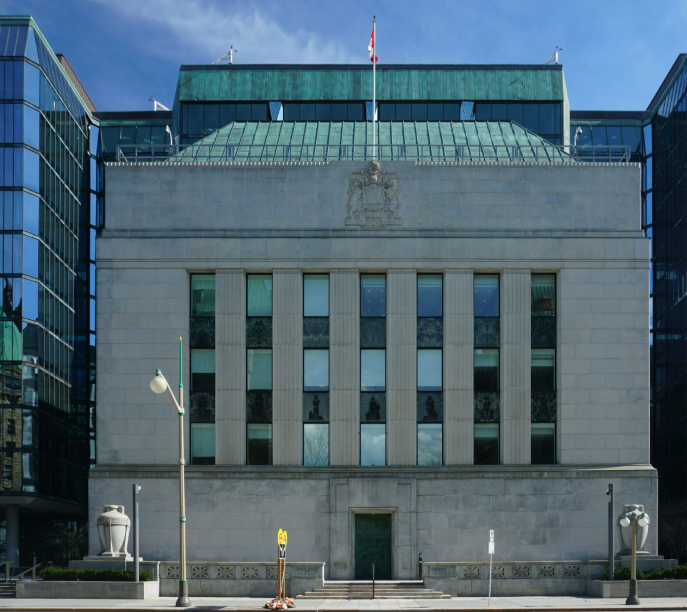
Bank of Canada Holds Interest Rates in 2026: What This Means for Nova Scotia Home Buyers & Sellers


Introduction

In its most recent interest rate announcement, the Bank of Canada chose to hold its key policy rate steady, signalling a continued pause in the aggressive tightening cycle that shaped the Canadian housing market over the past several years.

For consumers across Nova Scotia — including home buyers, sellers, and homeowners — this decision carries important implications.

While rates remain higher than the historically low levels seen prior to 2022, the decision to maintain the current rate environment introduces a new phase of market stability and predictability.

Understanding what this means can help consumers make more confident real estate decisions in 2026.

Why the Bank of Canada Held Rates

The central bank’s decision reflects a balancing act between controlling inflation and supporting economic stability.

Key factors influencing the rate hold include:

• Signs that inflation pressures are gradually easing
• Slowing economic momentum in certain sectors
• The desire to monitor how previous rate increases continue to impact consumers
• Ongoing uncertainty in global economic conditions

By holding rates steady, policymakers are signalling caution rather than urgency — an approach designed to avoid unnecessary disruption while maintaining control over long-term economic trends.

What This Means for Nova Scotia Home Buyers

For buyers, a rate hold can be interpreted as a sign that borrowing costs are stabilizing.

This can impact purchasing decisions in several ways:

• Greater confidence in budgeting and long-term planning
• Reduced fear of sudden mortgage payment increases
• Increased willingness to re-enter the market after waiting
• Improved ability to compare financing options strategically

In practical terms, buyers may feel more comfortable moving forward with homeownership decisions when interest rate volatility begins to subside.

This can gradually lead to renewed demand in local housing markets.

What This Means for Home Sellers

For sellers, a stable rate environment can influence both listing strategy and buyer behaviour.

Holding rates steady may result in:

• A more predictable pool of qualified buyers
• Gradual improvement in market activity
• Increased importance of pricing accurately
• Continued need for strong marketing and presentation

While the rapid bidding wars of previous years have moderated, well-positioned homes in desirable Nova Scotia communities can still perform strongly.

Stability often supports steady transaction flow rather than sudden market swings.

Market Psychology: Stability Encourages Participation

One of the most significant impacts of a rate hold is psychological.

Real estate markets are influenced not only by numbers — but by consumer confidence.

When rates rise quickly, uncertainty increases and many buyers pause their plans.
When rates stabilize, confidence slowly returns.

This shift can lead to:

• Increased property showings
• More active buyer inquiries
• Gradual upward pressure on prices in certain segments
• Renewed investor interest

In Nova Scotia, where market conditions are already relatively balanced, improved sentiment can translate into moderate market momentum.

The Broader Impact on the Nova Scotia Housing Market

Nova Scotia’s real estate market continues to be shaped by several overlapping factors:

• Interprovincial migration
• Limited housing supply in key areas
• Strong rental demand
• Infrastructure investment
• Lifestyle-driven relocation trends

A stable interest rate environment may allow these underlying drivers to influence pricing and activity more naturally without the distortion caused by rapid borrowing cost changes.

This can create healthier long-term market conditions.

What Consumers Should Do Now

Whether you are buying, selling, or simply monitoring the market, today’s environment calls for thoughtful strategy.

Consumers should consider:

• Reviewing mortgage pre-approvals regularly
• Evaluating affordability based on comfort rather than maximum borrowing limits
• Monitoring local market data rather than relying solely on national headlines
• Planning real estate decisions around long-term goals
• Seeking professional guidance tailored to Nova Scotia market dynamics

Stability in interest rates does not eliminate risk — but it can improve clarity.

Prepared consumers are better positioned to act when opportunities arise.

The Bottom Line

The Bank of Canada’s decision to hold interest rates steady marks an important transition phase for Canada’s housing market.

For Nova Scotia buyers and sellers, this pause introduces greater predictability and the potential for gradually improving market confidence.

While borrowing costs remain a key factor influencing affordability, a stable rate environment can help support more balanced and strategic real estate decisions throughout 2026.

Understanding these dynamics is essential for anyone considering entering the Nova Scotia market in the months a head.


1 luv,

Peter G w cgpt

 
References
Bank of Canada Monetary Policy Announcements
Canada Mortgage & Housing Corporation Housing Market Outlook
Nova Scotia Association of REALTORS® Market Statistics

#BankOfCanada #InterestRatesCanada #NovaScotiaRealEstate #HalifaxHousingMarket #MortgageRatesUpdate #LivingInNovaScotia #CanadianRealEstate #HomeBuying2026


March 14, 2026

Is 2026 a Good Year to Invest in Nova Scotia Real Estate?


Image


Introduction

Real estate investors across Canada are asking a very specific question in 2026:

Where can I still find value?

With rising prices in major markets like Toronto and Vancouver, many investors have shifted their focus toward smaller provinces — and Nova Scotia has quickly moved into the spotlight.

But is this still a smart investment market today?

Or has the opportunity already passed?

The answer depends on understanding the evolving fundamentals of supply, demand, rental growth, and long-term economic trends.


Nova Scotia’s Investment Appeal Has Changed — But It Hasn’t Disappeared

During the pandemic years, Nova Scotia became a hotspot for rapid appreciation. Investors who entered early saw significant gains in property values.

In 2026, the market is no longer in explosive growth mode — but that doesn’t mean the opportunity is gone.

Instead, the investment landscape has matured.

We’re now seeing:

• More stable price growth
• Strong rental demand
• Continued population migration
• Increased development activity
• Greater focus on cash flow fundamentals

For serious investors, this type of environment can actually be healthier.


Rental Demand Remains One of the Strongest Fundamentals

Nova Scotia continues to experience tight rental conditions in many urban areas, particularly in Halifax-Dartmouth.

This is driven by:

• University populations
• Immigration
• Interprovincial migration
• Limited new housing supply
• Rising construction costs

As a result, vacancy rates in key markets remain relatively low compared to historical averages.

For investors, strong rental demand supports long-term stability and income potential.


Interest Rates Are Reshaping Investor Strategy

Higher borrowing costs have changed how investors approach acquisitions.

The days of purely appreciation-driven purchases are fading.
In 2026, smart investors are focusing on:

• Cash flow sustainability
• Value-add opportunities
• Strategic renovations
• Location fundamentals
• Long-term hold strategies

This shift favors disciplined investors over speculative ones.


Multi-Unit Properties Continue to Attract Attention

One of the strongest investment segments in Nova Scotia remains small multi-unit residential properties.

Duplexes, triplexes, and mid-sized apartment buildings offer:

• Income diversification
• Risk mitigation
• Scalability
• Strong tenant demand

Investors relocating from larger markets often view Nova Scotia’s multi-unit sector as an accessible entry point compared to major metropolitan pricing.


Regional Differences Matter More Than Ever

Investment performance is increasingly tied to hyper-local factors.

Halifax and surrounding communities continue to lead in:

• Population growth
• Employment opportunities
• Infrastructure investment
• Rental absorption

Meanwhile, smaller towns may offer lower entry prices but require deeper due diligence regarding tenant demand and long-term appreciation potential.

Local market knowledge is critical.


The Long-Term Outlook for Investors

Nova Scotia’s economic outlook remains tied to:

• Government infrastructure spending
• Immigration policy
• Education sector growth
• Healthcare expansion
• Coastal lifestyle migration trends

These drivers suggest continued demand for housing over the long term.

For investors willing to adopt a strategic and patient approach, 2026 still presents meaningful opportunity.


The Bottom Line

Is 2026 a good year to invest in Nova Scotia real estate?

For investors seeking quick appreciation and easy wins — the market is more challenging than it once was.

But for disciplined investors focused on cash flow, fundamentals, and long-term growth, Nova Scotia remains a compelling option.

The opportunity hasn’t disappeared.
It has simply evolved.

And those who understand the shift are best positioned to succeed.


1 Luv, 

Peter G w cGPT

References

Nova Scotia Association of REALTORS® Market Reports
Canada Mortgage & Housing Corporation Rental Market Report
Statistics Canada Population Trends


#NovaScotiaRealEstate #RealEstateInvesting #HalifaxInvestment #MultiUnitProperties #CanadianRealEstate #RentalMarket #LivingInNovaScotia #PropertyInvestment

Feb. 28, 2026

Moving to Nova Scotia in 2026? Here’s What No One Tells You


Image


Introduction

Every year, thousands of Canadians consider making the move to Nova Scotia.

Some come for affordability.
Some for lifestyle.
Some for family.
Some for a reset.

And while headlines often talk about lower home prices and ocean views, there are important realities that don’t always make it into the marketing brochures.

If you're considering relocating to Nova Scotia in 2026, here’s what no one tells you — and what you absolutely should know before packing the truck.

1. The Pace of Life Is Slower — In Every Way

Nova Scotia operates on a different rhythm.

That’s part of its charm — but it can also surprise people moving from Ontario, Alberta, or British Columbia.

Things that move slower here:

• Real estate transactions
• Construction timelines
• Municipal approvals
• Service scheduling
• General day-to-day pace

If you’re used to instant access and big-city urgency, the adjustment period is real.

But many people ultimately say this slower pace is exactly why they stay.

2. Housing Is More Affordable — But Not Cheap Everywhere

Nova Scotia is still more affordable than major urban markets in Canada.

However, Halifax and surrounding areas have seen meaningful price growth over the last several years.

Waterfront? Premium.
Established Halifax neighborhoods? Competitive.
Rural properties? Wide range of pricing.

The idea that “everything is cheap” is outdated.

Affordability exists — but strategy matters.

3. Inventory Can Be Limited in Certain Areas

While the market has balanced compared to peak pandemic years, desirable neighborhoods still experience tight inventory.

This means:

• You need proper guidance
• Pre-approval is essential
• Timing matters
• Off-market opportunities matter

Relocating buyers often underestimate how competitive certain pockets can be.

4. The Weather Is Real

Yes — Nova Scotia has beautiful summers.

But winters are not to be ignored.

Expect:

• Snow
• Wind
• Coastal storms
• Rapid weather shifts

If you’re relocating from a mild climate, this is something to genuinely consider.

That said — four true seasons are something many residents love.

5. Healthcare & Infrastructure Are Improving — But Patience Is Required

This is an important one.

Healthcare access in Nova Scotia has faced pressure in recent years. Improvements are being made, but wait times and family doctor availability are realities to understand before relocating.

Infrastructure is expanding — particularly in the Halifax region — but it is not comparable to Toronto or Vancouver.

This isn’t necessarily negative. It’s just different.

6. The Lifestyle Trade-Off Is Often Worth It

Here’s what most relocation buyers eventually say:

“I wish we had done this sooner.”

Nova Scotia offers:

• Community
• Coastal access
• Lower traffic
• Outdoor lifestyle
• Growing economy
• Strong sense of identity

For many families and professionals, the lifestyle upgrade outweighs the compromises.

7. Real Estate Is Hyper-Local

What works in downtown Halifax may not reflect what’s happening 20 minutes outside the core.

Property taxes, zoning, rental regulations, and community feel vary widely across the province.

This is why working with someone who understands the nuance matters.

Relocation mistakes usually happen when buyers treat Nova Scotia like a single uniform market.

It isn’t.

The Bottom Line

Moving to Nova Scotia in 2026 can be an incredible decision.

But it should be informed.

The province offers opportunity, lifestyle, and relative affordability — but expectations must align with reality.

If you’re serious about relocating, understanding the pace, the neighborhoods, the infrastructure, and the local market conditions will protect your investment and your peace of mind.

The best moves aren’t emotional.

They’re strategic.


1 Luv,

Petey G 1 cGPT


References

Nova Scotia Association of REALTORS® Market Statistics
Canada Mortgage & Housing Corporation Reports
Government of Nova Scotia Infrastructure Updates


#MovingToNovaScotia #LivingInNovaScotia #HalifaxRealEstate #RelocationGuide #NovaScotiaHomes #HalifaxHousingMarket #EastCoastLiving #CanadianRelocation #NSRealEstate

Feb. 14, 2026

Is Nova Scotia Still a Seller’s Market in 2026? What the Data Actually Shows


Image


Introduction

For the past several years, one phrase dominated the conversation:

“It’s a seller’s market.”

But in 2026, many buyers and sellers are asking a new question:

Is that still true?

The Nova Scotia real estate market has evolved significantly since the peak frenzy years of 2020–2022. Interest rates shifted. Migration patterns stabilized. Inventory levels adjusted.

So where are we now?

Let’s break down what the numbers show — and what that means if you’re planning to buy or sell in Nova Scotia this year.

What Defines a Seller’s Market?

Before answering the question, we need clarity.

A seller’s market typically means:

• Low inventory
• High demand
• Homes selling quickly
• Multiple offers common
• Sale prices at or above asking

A buyer’s market, on the other hand, involves:

• Higher inventory
• Longer days on market
• Price reductions
• Increased negotiation leverage

The real answer in 2026?
We’re not fully in either extreme.

The 2026 Market Reality: Balanced, But Strategic

Nova Scotia has transitioned into what professionals call a balanced-to-slight-seller market.

Here’s what we’re seeing:

• Inventory levels have improved compared to pandemic lows
• Days on market have normalized
• Over-asking offers are less common — but still happen for well-priced homes
• Buyers are more cautious due to mortgage rates
• Sellers must price accurately to win

This is not the chaos of 2021.
But it’s not a buyer’s market either.

It’s strategic.

What This Means for Sellers

Sellers no longer win by simply “listing and waiting.”

In 2026, success requires:

• Accurate pricing
• Strong marketing
• Professional photography
• Strategic launch timing
• Understanding buyer psychology

Homes that are priced correctly and marketed properly are still selling efficiently.

Homes that miss the mark?
They sit.

The days of careless overpricing are behind us.

What This Means for Buyers

Buyers now have something they haven’t had in years:

Time.

You can:

• Conduct inspections
• Negotiate conditions
• Compare properties
• Evaluate long-term value

However — desirable homes still move quickly.

The key is preparation, not panic.

Pre-approval, clarity on needs, and market awareness matter more than ever.


Halifax vs The Rest of Nova Scotia

Halifax-Dartmouth continues to lead activity across the province.

We’re seeing:

• Strong demand in established residential neighborhoods
• Continued condo interest
• Investor focus on multi-unit properties
• Expansion into surrounding communities

Rural markets are more varied. Some remain hot due to affordability and lifestyle appeal. Others have cooled.

Local knowledge matters.

The Interest Rate Factor

Mortgage rates are shaping the pace of the market.

Higher borrowing costs:

• Reduce buyer urgency
• Moderate price growth
• Increase negotiation activity

But they also create stability.

Instead of explosive spikes, we’re seeing measured movement.

That’s healthy.

So… Is It Still a Seller’s Market?

The answer:

It depends on the property.

In 2026, real estate is hyper-local.

The right home, priced correctly, in the right area — still performs extremely well.

But the days of “everything sells instantly” are over.

We’re in a professional market now.

And that benefits informed buyers and prepared sellers.


Long Social Post Summary (~20%)

Is Nova Scotia still in a seller’s market in 2026?

The short answer: it’s more balanced than it has been in years.

Inventory has improved. Days on market have normalized. Buyers have more time and negotiation flexibility. But strong properties still move quickly when priced and marketed properly.

This is no longer a chaotic market — it’s a strategic one.

Sellers need accurate pricing and strong marketing. Buyers need preparation and clarity.

The advantage now goes to those who understand the data and act with intention.

Full breakdown in the latest blog.


Peter G with cgpt

1 Luv,


References

Nova Scotia Association of REALTORS® Monthly Statistics
Canada Mortgage & Housing Corporation Market Reports
Bank of Canada Interest Rate Updates

#NovaScotiaRealEstate #HalifaxHousingMarket #LivingInNovaScotia #HalifaxRealEstate #NSHomes #CanadianRealEstate #SellerMarket2026 #RealEstateUpdate #BuyOrSellNS

Jan. 31, 2026

Affordability in 2026: The Good & The Bad for Nova Scotia Home Buyers

Image

Introduction

Affordability remains the biggest conversation in real estate — not just across Canada, but right here in Nova Scotia. Buyers entering the market in 2026 are facing a very different landscape than they did just a few years ago. Prices have stabilized compared to the pandemic surge, but borrowing costs remain higher than many people expected.

So is it a good time to buy?

The honest answer is: there is good news and bad news — and understanding both is critical if you want to make smart decisions this year.

This article breaks down what affordability actually looks like in Nova Scotia in 2026, what has improved, what remains challenging, and how buyers can position themselves to succeed.


The Good News: Price Growth Has Slowed

The rapid price spikes of 2020–2022 created fear that homeownership might permanently slip out of reach for many Nova Scotians. Fortunately, the market has cooled into a more stable rhythm.

Home prices in Halifax and surrounding areas are no longer rising at double-digit annual rates. Instead, we’re seeing moderate, controlled growth — a sign of a healthier market.

For buyers, this means:

  • Less pressure to bid aggressively

  • More negotiation power

  • Fewer extreme over-asking situations

  • Better inspection and financing flexibility

In practical terms, buyers now have time to think, which is something that didn’t exist during the peak frenzy years.


The Bad News: Interest Rates Are Still Doing Heavy Lifting

While price growth has cooled, affordability is still heavily impacted by borrowing costs.

Mortgage rates remain higher than the ultra-low levels Canadians became used to before 2022. Even if prices aren’t skyrocketing, monthly payments are still elevated compared to what buyers would have paid several years ago.

This creates a psychological barrier:

A home that feels “reasonably priced” can still feel expensive when the payment hits your monthly budget.

For many buyers, the affordability challenge today isn’t the purchase price — it’s the payment structure.


Nova Scotia Still Outperforms Much of Canada

Here’s the key perspective: Nova Scotia remains one of the more affordable real estate markets in the country.

Compared to Toronto, Vancouver, or even parts of Ontario and British Columbia, Nova Scotia still offers:

  • Lower entry price points

  • Strong value per square foot

  • Lifestyle appeal

  • Growing infrastructure and job markets

This is one of the reasons interprovincial migration continues to influence demand. Buyers relocating from more expensive provinces often view Nova Scotia as a major opportunity.

For local buyers, this creates competition — but it also confirms the province’s long-term value.


Rent vs Buy: The 2026 Reality

Rent prices across Nova Scotia have climbed significantly in recent years. In many cases, monthly rent now approaches or exceeds the cost of ownership when factoring in long-term equity.

That changes the conversation.

Buying isn’t just about a monthly payment — it’s about:

  • locking in housing costs

  • building equity

  • protecting against future rent increases

  • stabilizing your living situation

For buyers planning to stay in Nova Scotia long-term, ownership still represents a powerful financial strategy — even in a higher-rate environment.


Strategies Buyers Should Use in 2026

Affordability doesn’t mean “impossible.” It means strategic.

Here are practical ways buyers are succeeding right now:

1. Expand geographic flexibility

Many buyers are finding opportunity just outside core Halifax-Dartmouth areas, where pricing is more accessible.

2. Consider smaller first purchases

Townhomes, condos, and starter homes can serve as stepping stones into the market.

3. Focus on payment comfort, not maximum approval

Buying below your approval ceiling creates financial breathing room.

4. Use professional mortgage planning

Creative financing strategies, rate holds, and term planning matter more than ever.

5. Think long-term

Real estate rewards patience. Buyers who hold property over time tend to benefit from appreciation and equity growth.


The Bottom Line

Affordability in 2026 is not simple — but it is navigable.

Nova Scotia buyers are facing higher borrowing costs than previous years, yet they’re entering a more stable, less chaotic market. That stability creates opportunity for smart, informed decision-making.

For many people, the biggest risk is waiting indefinitely out of fear. Markets don’t become “perfect” — they evolve. The buyers who succeed are the ones who adapt, plan, and act with clarity.

If your goals include ownership, long-term stability, and financial growth, the Nova Scotia market still offers a viable path forward.


Long Social Post Summary (~20%)

Affordability is the biggest real estate conversation in Nova Scotia right now — and 2026 presents a mix of challenges and opportunity.

While prices have stabilized compared to the pandemic surge, higher mortgage rates mean monthly payments remain a concern for many buyers. The good news is that Nova Scotia continues to be one of the most affordable provinces in Canada, offering strong value and lifestyle appeal compared to larger urban markets.

Rent costs are rising, competition from interprovincial buyers remains strong, and the market is more balanced than it has been in years. This creates an environment where informed buyers can move strategically instead of emotionally.

The key in 2026 is planning: choosing the right property, structuring financing wisely, and thinking long-term rather than reacting to headlines. Affordability doesn’t mean ownership is out of reach — it means buyers need to approach the market with clarity and strategy.


1 luv, 

Peter G w cgpt


References

Canada Mortgage & Housing Corporation Market Reports
Nova Scotia Association of REALTORS® Statistics
Bank of Canada Mortgage Rate Updates

#NovaScotiaRealEstate #HalifaxHousingMarket #LivingInNovaScotia #HomeBuying2026 #NovaScotiaHomes #HalifaxBuyers #RealEstateCanada #Affordability2026 #FirstTimeBuyerNS #HalifaxRealEstate

Jan. 24, 2026

Buyers Are Taking Longer to Act — And Why It’s Not Necessarily a Bad Thing

Across Canada, one of the most noticeable shifts in the real estate market over the past year has been buyer behavior. Homes are still selling, showings are still happening, and demand still exists, but buyers are no longer rushing the way they once did. Decisions that used to take days are now taking weeks. Offers that once came in firm are increasingly conditional. Some buyers are pausing, reassessing, and waiting before making their next move.

To many sellers and even some industry observers, this slowdown in decision-making can feel concerning. It’s easy to interpret hesitation as weakness or fear. In reality, professionals across the industry increasingly agree that buyers taking more time is not only normal — it’s healthy.

This article explains why buyers are slowing down, what’s driving the shift, and why this change may ultimately lead to more stable, sustainable real estate markets across Canada, including Atlantic Canada.

Why Buyer Behavior Has Changed

The most obvious factor influencing buyer behavior is the rapid shift in interest rates over the past few years. Buyers who once operated in an ultra-low-rate environment are now navigating a landscape where borrowing costs are higher and monthly payments matter more. This naturally leads to greater caution. When financing is more expensive, buyers tend to ask more questions, run more numbers, and ensure decisions align with long-term affordability.

At the same time, the emotional pressure that defined the pandemic-era market has eased. During peak seller-market conditions, buyers often felt they had no time to think. Homes sold in days, competition was intense, and fear of missing out drove decision-making. Today, inventory levels in many markets have improved, reducing urgency and restoring choice.

Economic uncertainty also plays a role. Inflation, global instability, and changing employment dynamics have made buyers more mindful of risk. Rather than acting impulsively, they are prioritizing security, stability, and flexibility.

Finally, buyers are more informed than ever. Access to data, market insights, and professional guidance has increased. Modern buyers are researching neighborhoods, comparing historical pricing, and carefully evaluating value rather than simply reacting to listing photos.

What Professionals Are Observing on the Ground

Real estate professionals across Canada are reporting similar patterns. Buyers are attending multiple showings before committing. They are asking deeper questions about property condition, future resale value, and long-term costs. Conditional offers are returning as a standard practice rather than an exception.

Importantly, this does not mean buyers have disappeared. It means they are acting intentionally.

In balanced and transitioning markets, thoughtful buyers are often the most reliable. They are less likely to walk away mid-transaction, less prone to buyer’s remorse, and more committed once they make a decision. This leads to smoother transactions and fewer failed deals.

Why This Is Actually a Positive Shift

From a market-health perspective, buyers taking longer to act reduces volatility. Rapid decision-making driven by emotion tends to inflate prices quickly and create instability. When buyers slow down, prices tend to reflect fundamentals more accurately.

For sellers, this shift encourages better pricing and preparation. Homes that are priced realistically and presented well continue to attract attention. Overpriced listings, however, are exposed more quickly. This transparency leads to a healthier marketplace overall.

For buyers, taking time allows for better alignment between lifestyle, finances, and long-term goals. Purchasing a home is one of the largest financial decisions most people will make. A market that allows room for due diligence is a sign of maturity, not weakness.

What This Means Specifically for Canada

Nationally, Canada’s housing market is moving away from extremes. Professionals expect this trend to continue through 2025 and into 2026. Buyer hesitation is not expected to turn into mass withdrawal, but rather into disciplined participation.

Markets with strong population growth and limited supply will continue to see competition, particularly for well-located and well-priced homes. However, buyers are less willing to overextend themselves financially simply to secure a property.

This behavioral shift supports long-term affordability and reduces the likelihood of sharp corrections.

What This Means for Atlantic Canada and Nova Scotia

In Atlantic Canada, buyer behavior reflects both national and regional factors. Migration, immigration, and lifestyle-driven demand continue to support the market, particularly in Halifax and surrounding communities. At the same time, buyers are increasingly cautious due to rising prices and borrowing costs.

Professionals in Nova Scotia note that buyers are still motivated, but more selective. They are prioritizing value, flexibility, and future-proofing. This has led to longer decision timelines but also more stable outcomes.

In many cases, buyers who take time ultimately make stronger offers because they are confident in their choice.

Advice for Sellers in This Environment

Sellers should not interpret slower buyer decision-making as a lack of interest. Instead, it’s a signal that buyers are evaluating carefully. Homes that are priced correctly, marketed professionally, and positioned clearly still perform well.

Patience, flexibility, and strategic pricing matter more than ever. Sellers who adapt to buyer behavior rather than fight it are more likely to succeed.

Advice for Buyers

Buyers should view this moment as an opportunity rather than a challenge. The ability to take time, include conditions, and negotiate thoughtfully is a privilege that did not exist in recent years. Using that time wisely can lead to better outcomes, both financially and emotionally.

Final Thoughts

Buyers taking longer to act is not a sign of market failure. It’s a sign of normalization. Real estate markets function best when decisions are made with clarity rather than urgency. As Canada continues to move toward a more balanced environment, thoughtful buyers will play a critical role in shaping stability.


The market isn’t slowing down because buyers are afraid. It’s slowing down because buyers are thinking — and that’s a good thing.


I luv

Peter G w cgpt


References
https://www.cmhc-schl.gc.ca
https://www.crea.ca
https://globalnews.ca
https://www.statcan.gc.ca
https://www.cbc.ca/news
#HomeBuyersCanada #RealEstateTrends #BalancedMarket #CanadianRealEstate 
#NovaScotiaRealEstate #HalifaxHousing #SmartBuying #HousingMarketCanada #BuyerBehaviour
Posted in Education
Jan. 17, 2026

Why Immigration Will Continue to Shape Canada’s Real Estate Market for the Next Decade

Few forces influence real estate more consistently than population growth, and in Canada, immigration has become one of the most powerful long-term drivers of housing demand. While interest rates, supply cycles, and government policy fluctuate, people still need places to live. Professionals across the real estate industry largely agree that immigration will remain a defining factor in shaping housing markets well beyond 2026.

This article explains why immigration matters so much to real estate, how it impacts Canada nationally, what it means specifically for Atlantic Canada, and how global migration trends continue to reshape housing markets worldwide.

Canada’s Immigration Strategy and Housing Demand

Canada has committed to some of the most ambitious immigration targets in the developed world. Federal plans continue to welcome hundreds of thousands of new permanent residents annually, alongside temporary workers and international students. These newcomers are not arriving evenly across the country, nor are they entering the housing market in the same way.

Professionals note that immigration increases demand immediately, while housing supply responds slowly. New residents often begin in rental housing, placing pressure on vacancy rates and rents. Over time, many transition into ownership, increasing competition for entry-level homes, townhouses, and condominiums.

This dynamic creates a layered demand effect. Rentals tighten first. Prices follow later. Even in markets that appear balanced, steady population growth keeps underlying demand intact.

Why Immigration Supports Long-Term Price Stability

One of the key reasons professionals remain confident in Canadian real estate is that immigration provides a consistent demand floor. Unlike speculative booms driven by investor sentiment, population growth creates organic need.

Immigrants require housing regardless of interest-rate cycles. This tends to reduce the likelihood of prolonged price declines, especially in cities with employment opportunities, infrastructure, and services. While prices may plateau or soften in certain years, immigration-driven demand supports long-term stability.

Experts also point out that newcomers often cluster in urban centres initially, reinforcing demand in cities with transit, universities, and employment hubs. Over time, this demand spreads outward into suburban and secondary markets.

Atlantic Canada’s Immigration Advantage

Atlantic Canada has experienced a demographic shift that would have seemed unlikely a decade ago. Provinces like Nova Scotia are now retaining more newcomers, thanks to improved employment opportunities, lifestyle appeal, and provincial immigration programs.

Halifax, in particular, has become a landing point for immigrants and interprovincial migrants alike. Professionals anticipate that this trend will continue into 2026 and beyond, supporting both rental and ownership demand.

Unlike larger metropolitan areas where affordability has reached extreme levels, Atlantic Canada still offers relative value. This creates a longer runway for growth, especially as remote work and regional economic development continue to improve.

That said, supply remains a challenge. Construction capacity, infrastructure limitations, and approval timelines mean housing availability is not expanding fast enough to fully absorb population growth. As a result, professionals expect continued upward pressure on rents and steady demand for ownership housing in Atlantic Canada.

How Immigration Impacts Global Real Estate Markets

Globally, migration trends are reshaping housing markets in similar ways. Countries with strong economic prospects, political stability, and high quality of life continue to attract new residents. Cities in Europe, Australia, and North America face many of the same challenges Canada does: limited housing supply, affordability pressures, and infrastructure strain.

Professionals observe that real estate markets in immigrant-receiving countries tend to be more resilient during economic slowdowns. Population growth supports demand even when credit conditions tighten. This has reinforced residential real estate as a preferred long-term asset class globally.

At the same time, governments worldwide are grappling with the need to align immigration targets with housing capacity. Where this alignment fails, affordability deteriorates. Where it succeeds, markets stabilize.

What This Means for Buyers

For buyers, immigration-driven demand underscores the importance of timing and preparation rather than waiting for dramatic price drops. Professionals advise focusing on affordability within personal budgets and selecting locations with long-term population growth rather than short-term speculation.

Entry-level and mid-range housing is expected to remain competitive in most growing regions, particularly near employment centres and transit corridors.

What This Means for Sellers

For sellers, population growth supports confidence, but strategy still matters. Markets shaped by immigration tend to reward homes that meet practical needs: proximity to services, flexible layouts, and rental potential. Sellers who understand buyer demographics are better positioned to succeed.

What This Means for Investors

Investors continue to view immigration as one of the strongest fundamentals supporting rental demand. Professionals anticipate that well-located rental properties in immigrant-receiving cities will remain attractive long-term investments, particularly as affordability challenges keep more households renting longer.

Atlantic Canada, with its combination of population growth and relative affordability, remains on the radar for investors focused on long-term fundamentals rather than short-term gains.

Final Thoughts

Immigration is not a temporary trend. It is a structural force shaping Canada’s real estate market well into the future. Nationally, regionally, and globally, population growth continues to drive demand, support price stability, and influence where and how housing is built.

For buyers, sellers, and investors alike, understanding the role immigration plays is essential to making informed real estate decisions. Those who align their strategies with long-term demographic realities are far more likely to succeed than those chasing short-term market noise.


1 Luv,

Peter G w cgpt


References
https://www.statcan.gc.ca
https://www.cmhc-schl.gc.ca
https://www.canada.ca
https://www.immigration.ca
https://www.worldeconomicforum.org


#ImmigrationAndHousing #CanadaRealEstate #AtlanticCanadaHousing #HalifaxRealEstate #HousingDemand #RealEstateTrends #PopulationGrowth #RentalMarketCanada #PropertyOutlook

Jan. 10, 2026

What Professionals Are Anticipating the Real Estate Market Will Look Like in 2026

As the Canadian and global real estate markets move through a period of normalization, one question is being asked more than any other by buyers, sellers, investors, and industry professionals alike: what does 2026 look like? After years of volatility driven by a pandemic, rapid interest-rate changes, supply shortages, and population growth, the market is entering a phase where long-term fundamentals matter again.

Real estate professionals are not expecting a return to the extremes of the early 2020s. Instead, 2026 is widely anticipated to be a year defined by balance, regional divergence, and more disciplined decision-making. This article breaks down what experts are forecasting for Canada as a whole, Atlantic Canada specifically, and the global real estate landscape.

Canada’s Real Estate Outlook for 2026

Across Canada, professionals anticipate that 2026 will represent a period of stabilization rather than acceleration. The expectation is not for a nationwide boom or bust, but for a market that moves in a more measured, sustainable direction. Interest rates are projected to be lower than the peaks seen in 2023 and 2024, though unlikely to return to the ultra-low levels of the previous decade. This shift alone is expected to restore some buyer confidence without igniting speculative behaviour.

Housing supply remains the dominant issue. While governments are investing heavily in incentives and infrastructure to increase construction, most experts agree that Canada will still be undersupplied by 2026. New builds take time, and population growth continues to outpace completions. As a result, prices are expected to rise modestly in most regions, particularly where job growth and immigration remain strong.

Buyers in 2026 are expected to be more informed, cautious, and strategic. Conditional offers are likely to remain common, and negotiations will play a larger role than they did during peak seller markets. Sellers, meanwhile, will need to price accurately and focus on presentation and marketing. The days of automatic bidding wars are largely behind us, replaced by a market where quality, location, and value determine outcomes.

From an investment perspective, professionals expect a renewed focus on fundamentals. Cash flow, long-term demand, and local economic drivers will matter far more than short-term appreciation. Real estate will continue to be viewed as a stable asset class, but speculative flipping is expected to remain limited.

Atlantic Canada’s Outlook for 2026

Atlantic Canada, and Nova Scotia in particular, is expected to continue outperforming many regions on a relative basis. Professionals point to sustained population growth, interprovincial migration, and immigration as key drivers supporting demand. While price growth has moderated compared to the surge seen between 2020 and 2022, the underlying need for housing remains strong.

In Halifax and surrounding areas, 2026 is expected to bring a more balanced market with pockets of tight supply. Rental demand is forecasted to remain elevated, driven by students, newcomers, and limited purpose-built rental stock. This has led many analysts to predict continued interest from long-term investors, especially in well-located multi-unit properties.

Rural and secondary markets in Atlantic Canada are expected to diverge. Some communities will benefit from remote work and lifestyle-driven migration, while others may see slower growth as affordability pressures push buyers to be more selective. Professionals emphasize that micro-markets will matter more than ever, making local expertise critical.

Construction capacity remains a constraint in Atlantic Canada. Labour shortages, infrastructure limitations, and approval timelines mean that even with incentives, supply growth will be gradual. This reinforces the expectation that prices and rents will remain supported through 2026, even if growth is not dramatic.

Globally, What the Real Estate Market May Look Like in 2026

On a global scale, professionals anticipate that 2026 will reflect a world adjusting to a higher-cost environment. Central banks in many countries are expected to have completed their inflation-fighting cycles, resulting in more predictable interest-rate policies. This stability is seen as a positive signal for real estate markets worldwide.

Urban centres with strong employment hubs, population inflows, and infrastructure investment are expected to perform best. Cities that attract talent, innovation, and capital are likely to see continued demand for both ownership and rental housing. At the same time, affordability challenges remain a global concern, particularly in major metropolitan areas.

Globally, housing shortages are not unique to Canada. Countries across Europe, Australia, and parts of Asia are facing similar supply-demand imbalances. This has led professionals to predict a continued emphasis on densification, mixed-use development, and alternative housing models such as co-living and multi-generational housing.

Commercial real estate is expected to remain segmented. Industrial and logistics assets are forecasted to stay strong due to e-commerce and supply-chain restructuring. Office markets will continue evolving, with hybrid work models reshaping demand rather than eliminating it. Residential real estate, however, remains the most consistently supported asset class globally, particularly in regions with population growth.


What This Means for Buyers, Sellers, and Investors Heading Into 2026

For buyers, 2026 is expected to be a year where preparation matters more than timing. Mortgage qualification, financial planning, and understanding local market conditions will be critical. Opportunities will exist, but patience and due diligence will be essential.

For sellers, professionals anticipate that success will come from realistic pricing and strong execution. Homes that are well-presented and properly marketed are expected to perform well, while overpricing may lead to longer market times.

For investors, the outlook points to steady, long-term returns rather than rapid appreciation. Rental demand, demographic trends, and local economic strength will be the primary drivers of success. Atlantic Canada, in particular, is viewed as a region with ongoing potential for those focused on long-term fundamentals.


Final Thoughts

Professionals are not forecasting 2026 to be dramatic. Instead, they see it as a year of maturity for real estate markets in Canada, Atlantic Canada, and globally. The extremes of the past few years are giving way to a more rational, data-driven environment. For those willing to adapt, plan carefully, and focus on fundamentals, 2026 is expected to offer stability, opportunity, and clarity rather than chaos.


1 Luv, 

Petey G w cgpt


References
https://www.cmhc-schl.gc.ca
https://www.crea.ca
https://globalnews.ca
https://www.statcan.gc.ca
https://www.worldeconomicforum.org


#RealEstateForecast2026 #CanadaRealEstate #AtlanticCanadaHousing #GlobalRealEstate #HousingMarketOutlook #NovaScotiaRealEstate #HalifaxHousing #RealEstateTrends #PropertyMarket2026

Jan. 3, 2026

What a “Balanced Market” Really Means — And Why It’s Not Bad News for Buyers or Sellers

For years, Canadian real estate headlines were dominated by one phrase: seller’s market. Homes sold in days, bidding wars were common, and prices rose faster than most incomes. Then the narrative shifted. Interest rates climbed, demand cooled, inventory grew, and a new term entered everyday conversation: balanced market.

For many buyers and sellers, that phrase sounds unsettling. Buyers wonder if prices will fall. Sellers worry demand has disappeared. Investors question whether opportunity still exists. But the truth is far more nuanced. A balanced market isn’t a warning sign — it’s a recalibration.

Understanding what a balanced market actually means, and how it behaves, is critical for making smart decisions in today’s real estate environment, especially in places like Nova Scotia where conditions vary by neighbourhood and property type.


What Is a Balanced Market?

A balanced market occurs when supply and demand are relatively aligned. Neither buyers nor sellers have a clear advantage. Homes sell at a reasonable pace, prices move more gradually, and negotiations are more measured.

In practical terms, a balanced market usually includes:

  • 4 to 6 months of inventory

  • Fewer bidding wars

  • More conditional offers

  • Stable or modest price movement

  • Longer, but reasonable, days on market

This is historically the most sustainable type of real estate environment.


Why Balanced Markets Feel Uncomfortable at First

After years of extreme conditions, balance can feel like uncertainty. Sellers who became used to instant offers may interpret fewer showings as weakness. Buyers who feared missing out may hesitate, unsure if prices will drop further.

But discomfort doesn’t mean dysfunction. It simply means the market is no longer distorted by urgency.


What Balanced Markets Mean for Buyers

For buyers, balance restores choice and control.

You’re more likely to:

  • Include financing and inspection conditions

  • Compare multiple properties

  • Negotiate price, repairs, or closing terms

  • Avoid emotional decision-making

Affordability challenges haven’t disappeared, but the process becomes more rational. Buyers can align purchases with lifestyle and long-term goals rather than fear.


What Balanced Markets Mean for Sellers

For sellers, balance requires strategy — not panic.

Homes still sell, but:

  • Pricing must reflect current conditions

  • Presentation matters more

  • Marketing quality matters more

  • Overpricing leads to stagnation

Well-priced, well-presented homes in good locations continue to perform. The difference is that success now depends on execution rather than momentum.


What This Means for Nova Scotia

Nova Scotia’s market has been normalizing after years of accelerated growth driven by migration and limited supply. In Halifax, inventory has increased, days on market have lengthened slightly, and price growth has moderated.

This is not a crash. It’s stabilization.

Some neighbourhoods remain tight. Others are clearly balanced. A few are buyer-leaning. Micro-markets matter more than ever, which makes local expertise critical.


Why Balanced Markets Are Healthier Long-Term

Balanced markets support:

  • Sustainable price growth

  • Reduced risk of bubbles

  • Better affordability over time

  • More confident lending environments

  • Fewer emotional transactions

They also allow governments, developers, and households to plan more effectively.

Extreme seller’s markets feel good in the moment, but they often create long-term affordability problems. Extreme buyer’s markets create fear and stall activity. Balance keeps the ecosystem functioning.


How to Win in a Balanced Market

Buyers should:

  • Focus on fundamentals, not timing

  • Secure financing early

  • Negotiate intelligently, not aggressively

Sellers should:

  • Price accurately from day one

  • Invest in presentation and marketing

  • Remain flexible on terms

Investors should:

  • Underwrite conservatively

  • Focus on cash flow and location

  • Avoid short-term speculation


Final Thoughts

A balanced market is not something to fear. It’s something to understand.

For buyers, it restores confidence.
For sellers, it rewards preparation.
For investors, it separates strategy from speculation.

Real estate doesn’t need frenzy to function. In fact, balance is where the smartest decisions are made.


1 Luv, 

Mostrly cgpt and some Petey G :)


https://www.cmhc-schl.gc.ca
https://www.crea.ca
https://globalnews.ca
https://www.statcan.gc.ca
https://novascotia.ca


#BalancedMarket #CanadianRealEstate #NovaScotiaRealEstate #HalifaxHousing #HousingMarketCanada #RealEstateEducation #HomeBuyersCanada #HomeSellersCanada #MarketTrends

Posted in Education